Flow
Tomb in Siberia reveals humans were using cannabis 2800 years ago | New Scientist — Flow — 13 November 2026
6 November 2026 — 13 November 2026 · Issue №17
By the numbers
Pierrot's column
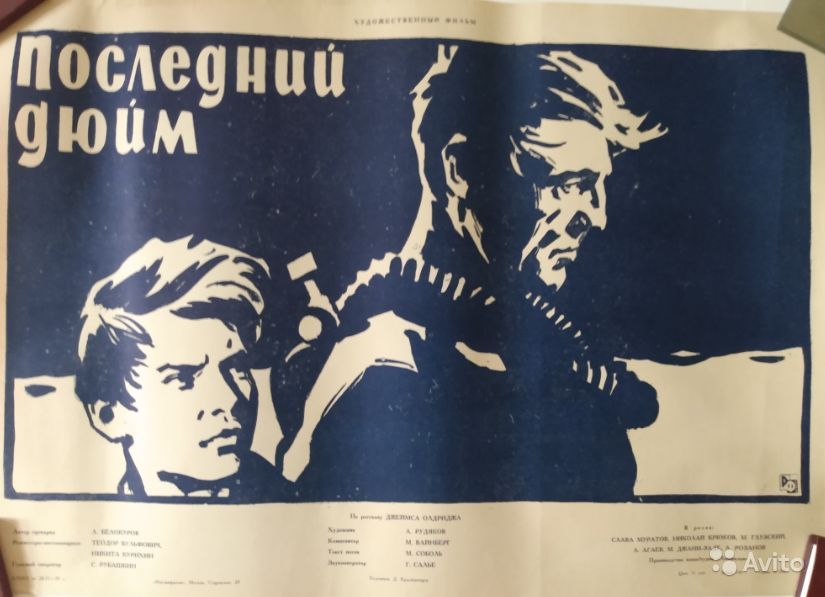
Human history leaves its signals across millennia and media. From 2,800-year-old bio-chemical traces in a Siberian tomb to Mid-century Soviet film posters and forgotten urban monuments, physical artifacts continue to reveal how culture documents its own rituals and ideologies.
At the same time, contemporary tools reshape how we organize memory. Modern digital streams dissolve physical boundaries, turning personal archives, early network history, and automated intelligence into a single environment for processing context and virtual sovereignty.
Lead story
Tomb in Siberia reveals humans were using cannabis 2800 years ago | New Scientist
8 November 2026, 14:35 UTC
Siberian grass!
In the Siberian burial mound Tunnug-1 (Uyuk Valley), archaeologists from the University of Bern led by Gino Caspari discovered a lock of hair and around 1,000 cannabis seeds dating to about 2,800 years ago (8th century BCE), belonging to the Scythian era.
Key facts of the study:
The earliest direct evidence:
Chemical analysis of the hair revealed traces of THC and cannabinol. This pushes back the confirmed use of marijuana as a psychoactive substance by humans by 300 years (previously it was thought to be ~2,500 years ago in China).
Purposes of use:
The researchers link the find to funerary rituals. Given the remains of sacrificed horses and humans found in the mound, marijuana may have been used not only for religious trance but also as a sedative for the victims before the ritual.
Context:
Although the domestication of cannabis began around 12,000 years ago in China, direct biological evidence of the use of its psychoactive properties in the bodies of ancient people has been obtained for the first time for this period.
The Tunnug-1 mound (also known as Arzhan-0) is located in the Republic of Tyva (Russia), in southern Siberia.
Geographic details:
Location:
Piy-Khem kozhuun (district), in the interfluve of the Uyuk and Tunnug rivers.
Region:
The Uyuk Basin — this area is widely known among archaeologists as the "Tuvan Valley of the Kings" because of the large concentration of elite Scythian burial mounds.
Feature:
Unlike most neighboring mounds, which were built on high river terraces, Tunnug-1 is located directly in a swampy floodplain. Thanks to permafrost and the marshy soil, organic matter is excellently preserved there — including wood, textiles, seeds, and the hair itself.
Read
Sources
| Source | Item | Original date | In the stream |
|---|---|---|---|
| Anton Merkurov | Krasnopevtsev / Fyodorov — Film Posters. Reklamfilm. 1953–1972 | not stated | 7 Nov |
Subscribe
I don’t write. I select.
A weekly issue assembled without an editorial desk: one person's taste, multiplied by code.
Get the issue