Skip to content
Documented Heritage Archive
1881 — 2026 // MERKUROV

Objects have their own histories.

A documented record of the legacy of monumental sculptor Sergey Merkurov and the cultural initiatives of his great-grandson, Anton Merkurov — spanning family archives, public monuments, museum history, print and digital art.

Methodology & Transparency

Historical facts, published reporting, and personal advocacy are distinguished throughout. Unresolved attributions are identified critically rather than presented as established facts.

Family ArchiveMuseum HistoryPublic MonumentsPosthumous Death MasksDigital Reinterpretation
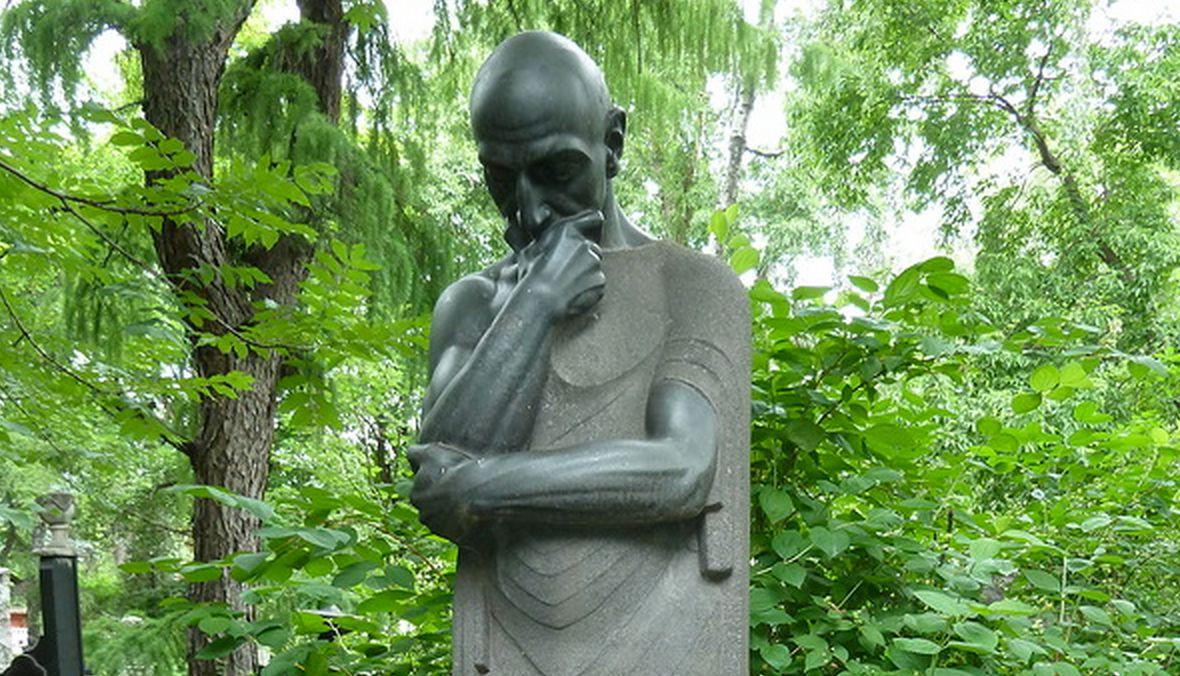
Sculpture “Thought” on Sergey Merkurov’s grave
Monumental Masterwork

“Thought” (1911–1913)

Carved from dark Swedish granite. Installed at Novodevichy Cemetery as the sculptor’s gravestone.

Enlarge
01 // Family Record

Two generations. Different media.

Sergey Merkurov
1881 — 1952
Classical & Monumental Sculpture

Sergey Dmitrievich Merkurov

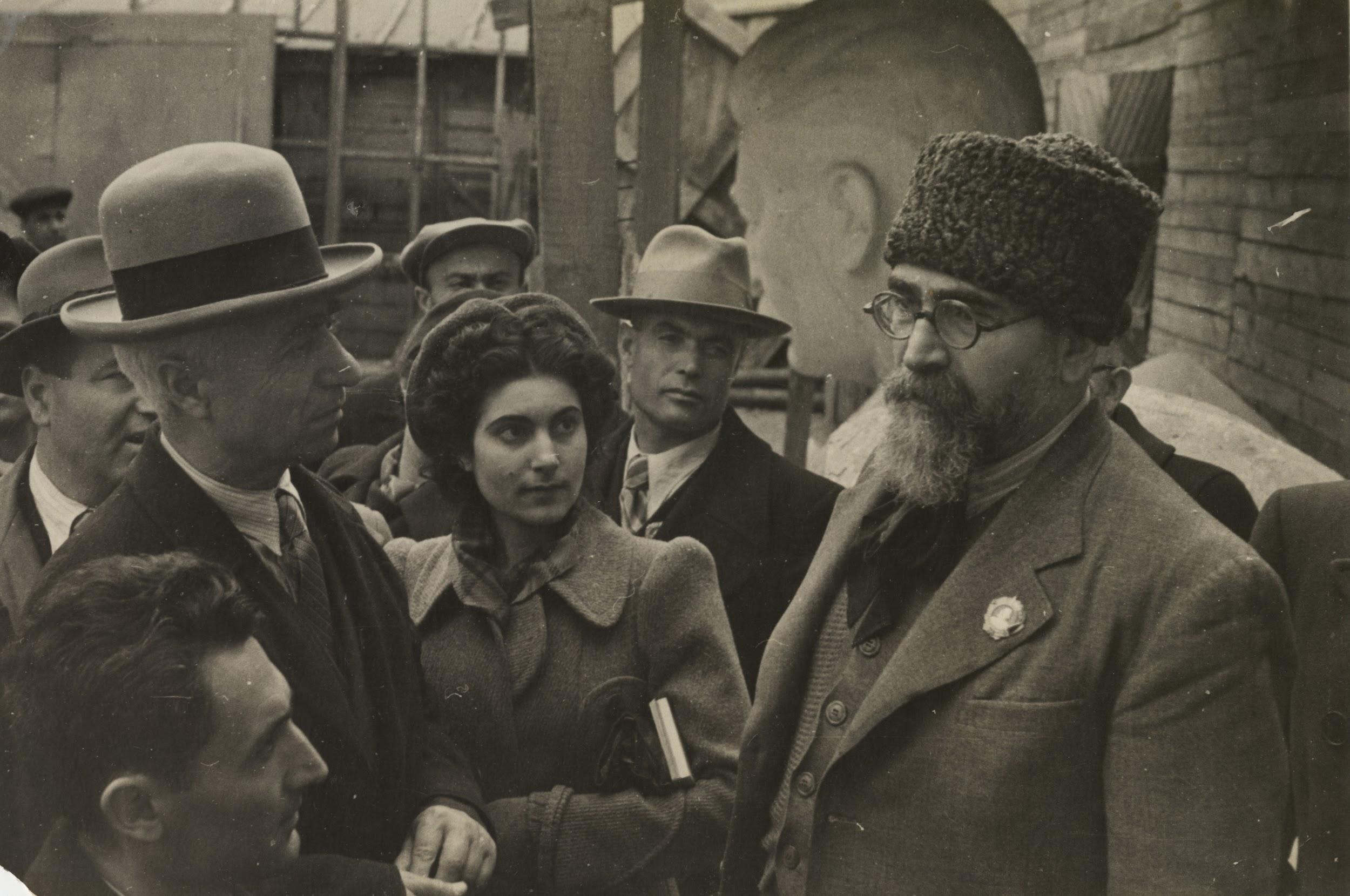
Born in Alexandropol (now Gyumri) on 7 November 1881. Educated in Europe, including the Munich Academy of Fine Arts, he worked in Paris between 1905 and 1907 in Auguste Rodin’s studio — a foundational experience that defined his monumental vision.

Pioneer of monumental stone sculpture and the master of over 300 posthumous death masks. Director of the Pushkin State Museum of Fine Arts (1944–1949). His works are preserved in public city squares, state museum collections, and the family estate in Gyumri.
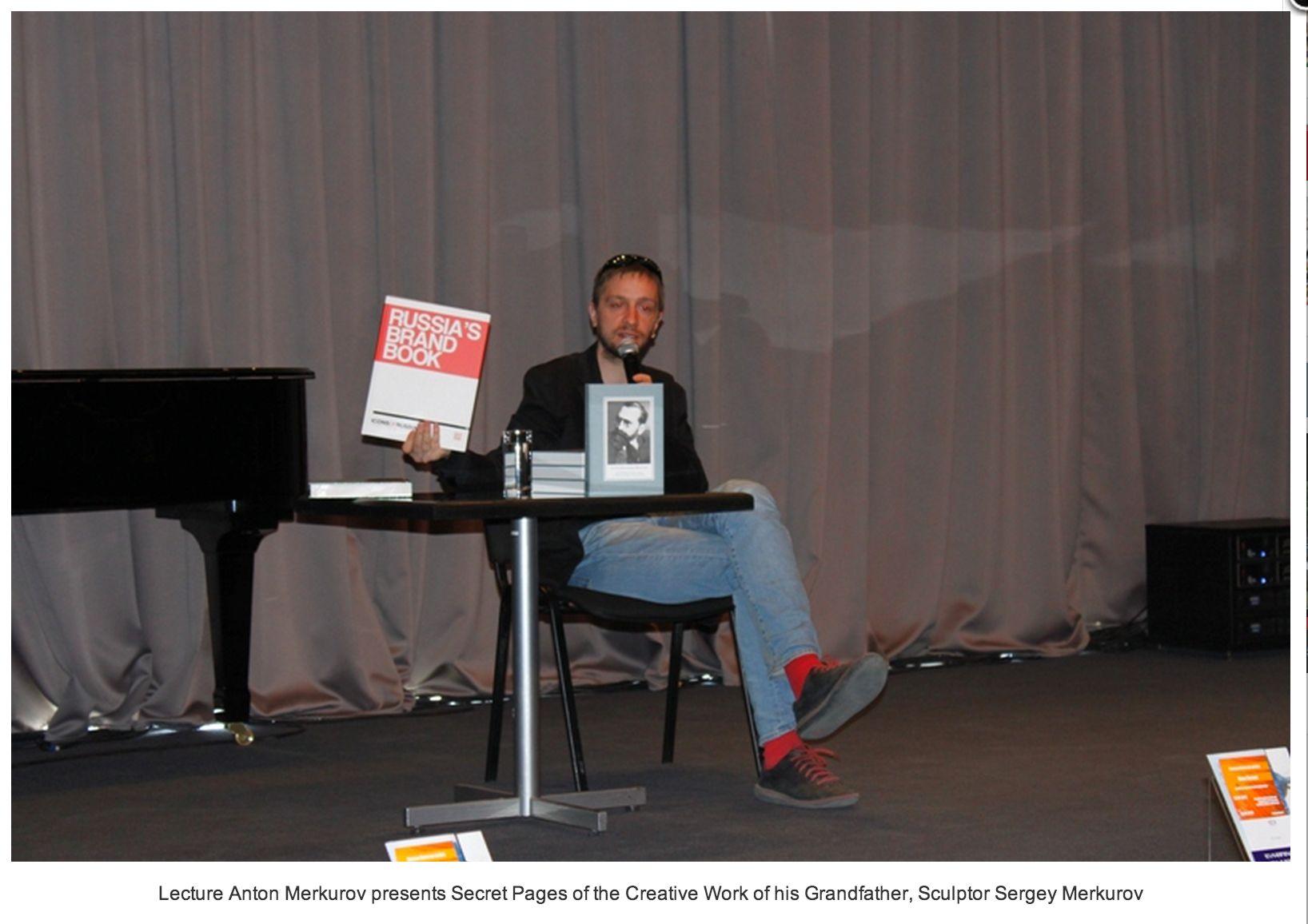
Anton Merkurov presenting memoirs
Born 1981
Digital Strategy & Heritage Architecture

Anton Merkurov

Sergey Merkurov’s great-grandson. Documented public advocacy and contemporary engagement: championing the preservation of the Dynamo reliefs, institutional cooperation with the Gyumri museum, publishing family archival memoirs, and digitising historical artifacts into 3D and Web3.

Operates across media, emerging technology, art dealing, and strategic advisory. Bridges classical historical capital with 21st-century distributed networks and AI curation.

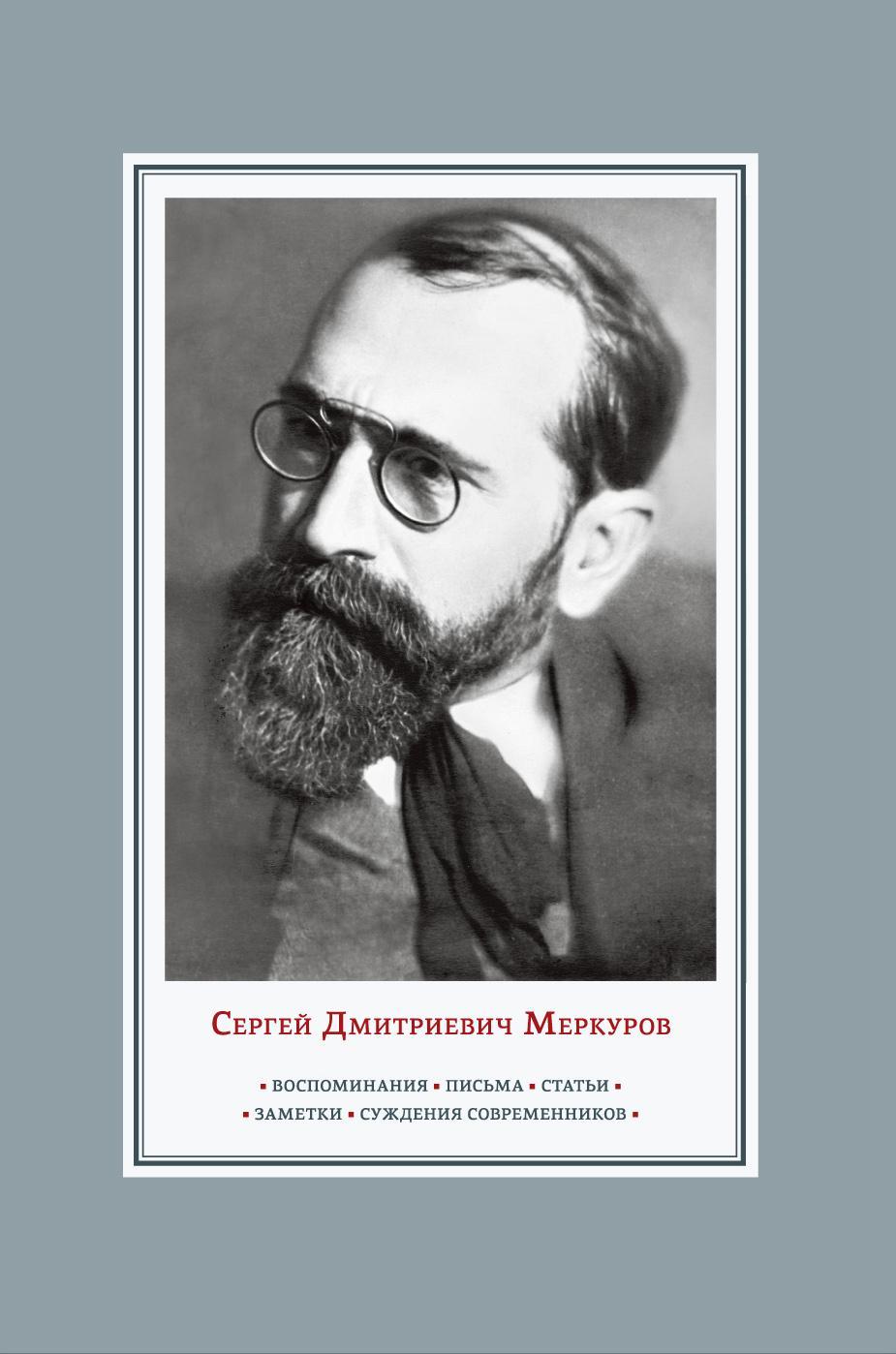
Memoirs Cover
Archival Publication

The Sculptor’s Memoirs: Letters, Notes & Contemporary Judgments

In April 2012, Anton Merkurov presented the definitive academic collection of Sergey Merkurov’s writings at the Cafesjian Center for the Arts in Yerevan and the Pushkin State Museum of Fine Arts in Moscow. In 2013, the US publication Russian Life drew directly upon this family archive for an extensive profile of the sculptor.

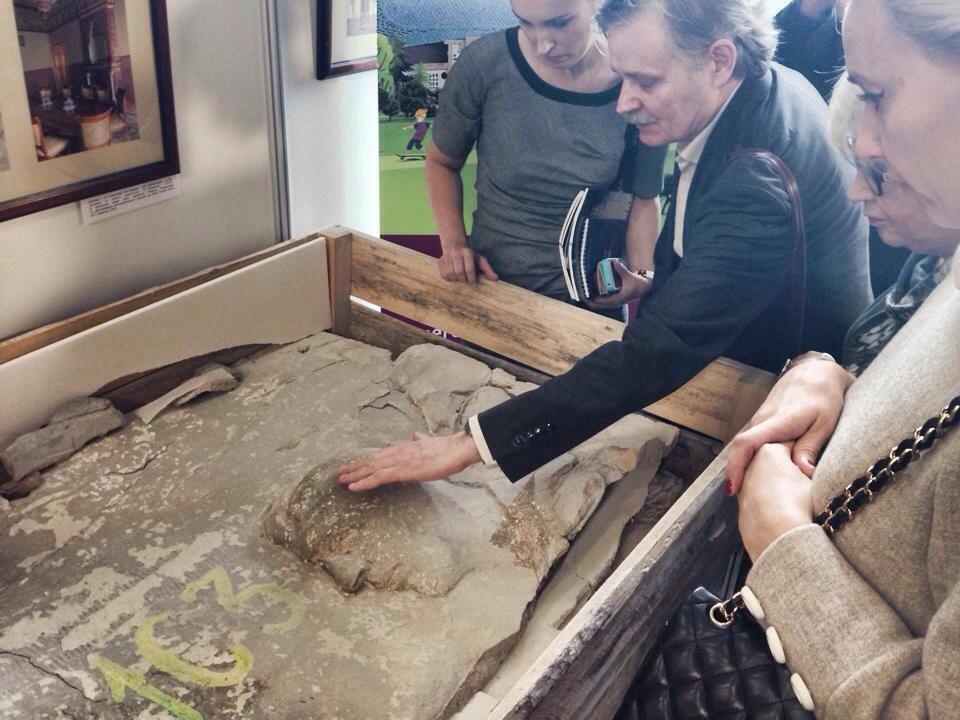
View Pushkin Museum presentation archive photo
02 // Gyumri, Armenia

The family estate becomes a living museum.

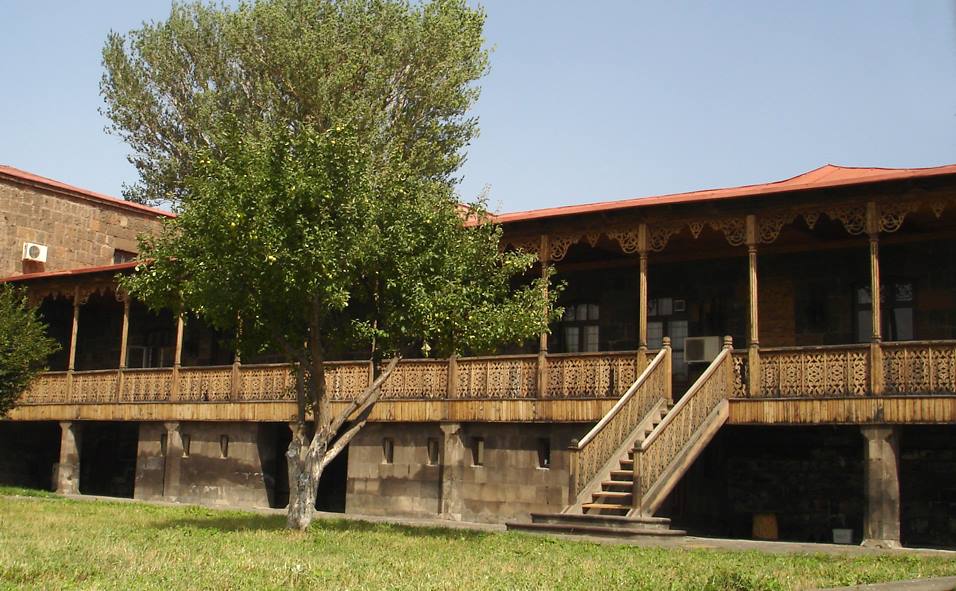
The Sergey Merkurov House-Museum occupies the 19th-century residence in Gyumri where the sculptor was born and raised. Today, it stands as an architectural monument, a repository of plaster originals, and an active civic hub.

1869

Erected by Fyodor Merkurov

Built by the sculptor’s grandfather in traditional black tuff stone, characteristic of Alexandropol vernacular architecture.

Museum exterior
House-Museum Exterior
Archive Handover
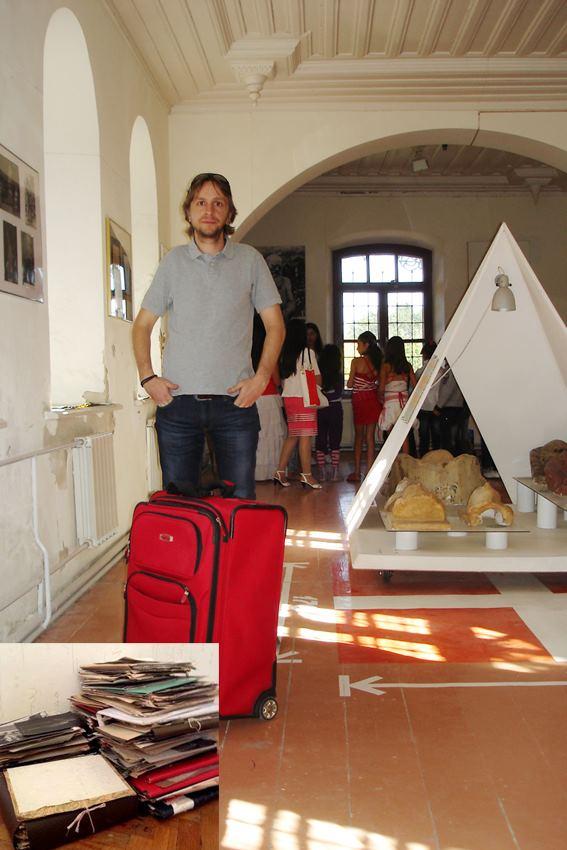
Archive Handover, 2012
Official Museum Portal
Chronicle of the Estate
1869

The family house is built in Alexandropol (Gyumri) by Fyodor Merkurov, the sculptor’s grandfather.

1950

Sergey Merkurov officially presents the ancestral estate to the city of Gyumri.

1984

The Sergey Merkurov House-Museum opens its doors to the public as a cultural centre.

1988

The devastating Spitak earthquake strikes Gyumri, damaging the historic building.

2003

Substantial structural restoration and reinforcement of the museum building.

2012

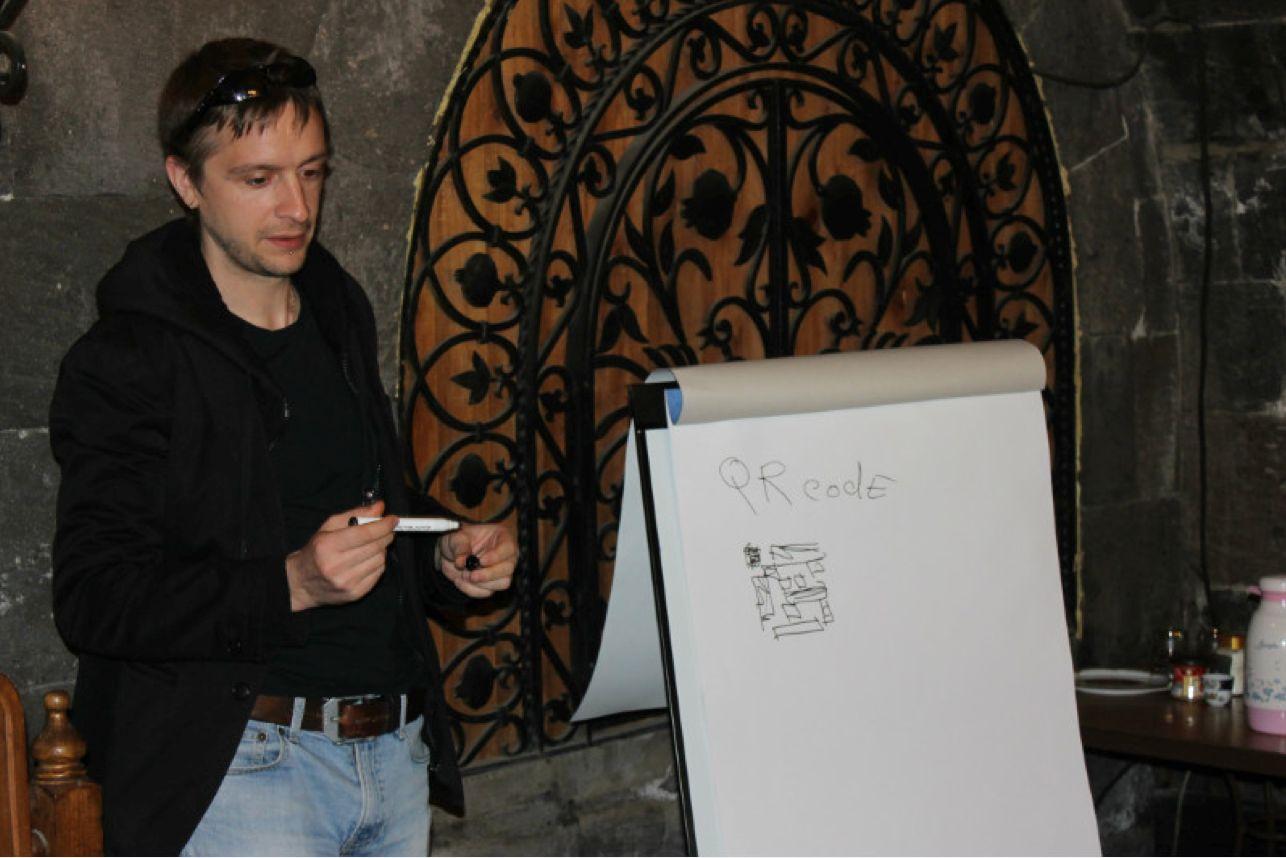
Anton Merkurov presents the sculptor’s memoirs in Yerevan (Cafesjian Center) and Pushkin Museum (Moscow); conducts the “New Technologies for Museums” seminar in Gyumri; formally hands family archive materials to the museum.

2013

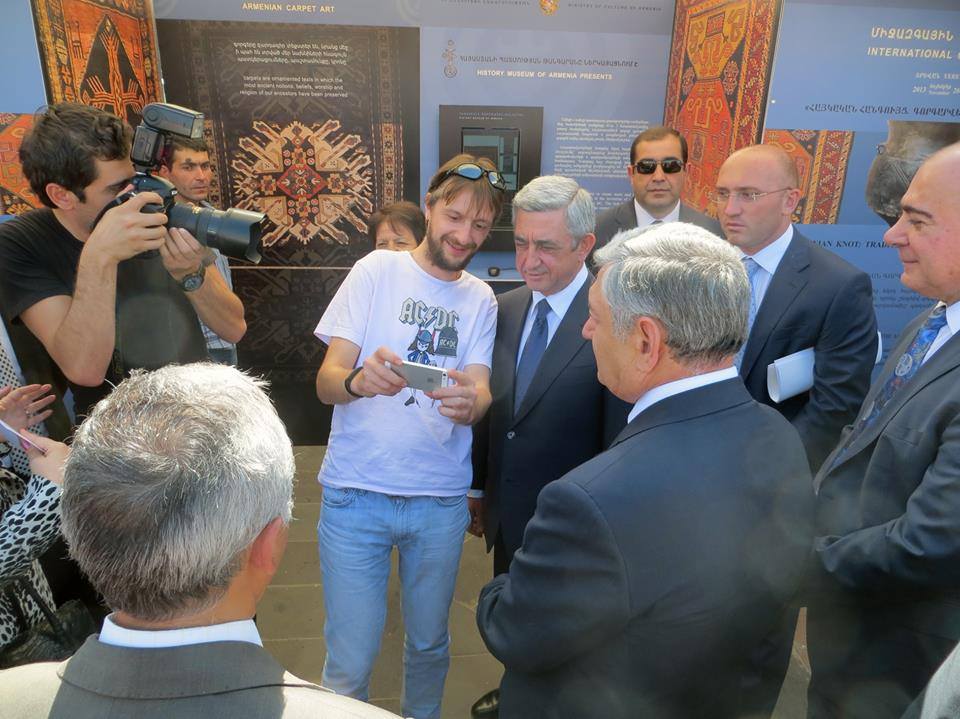
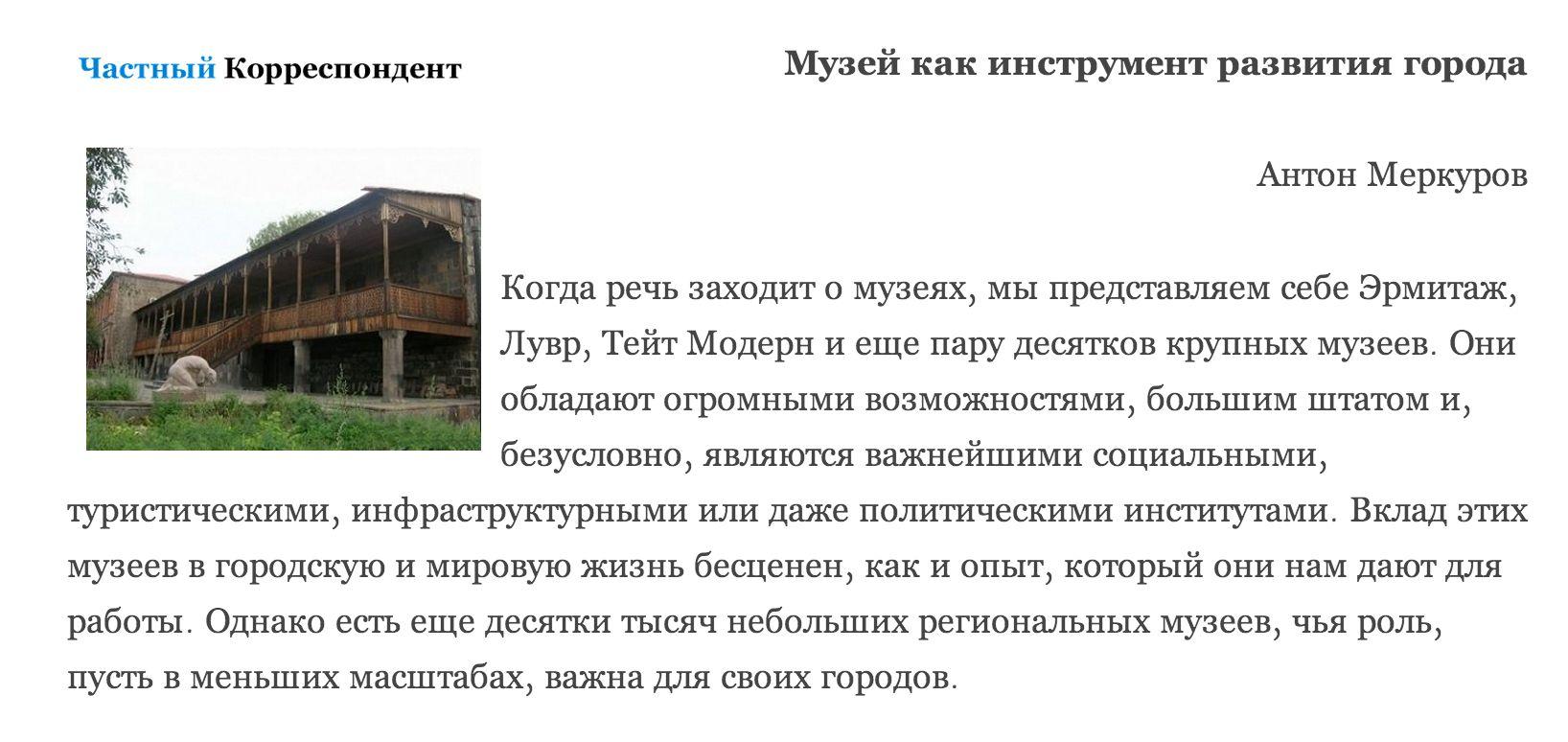
Gyumri is named CIS Cultural Capital; Anton meets Armenian President Serzh Sargsyan at the exhibition. Publishes essay “The Museum as a Tool of City Development”.

2014

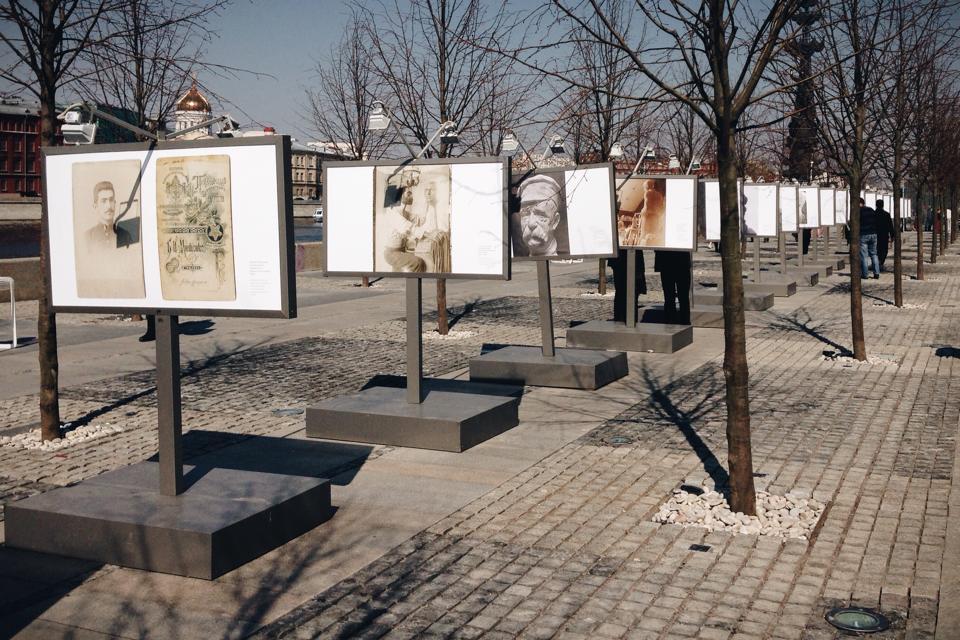
Exhibition “Sergey Merkurov Archive” opens at Muzeon Park of Arts, Moscow: monumental portraits, lesser-known sculpture, and historic death masks.

2016

The Armenian Museum of Moscow reports that new restoration of the house began with Anton Merkurov’s active participation.

2023

Further renovation, museum modernization, and festive reopening reported across Armenian cultural media.

Events & Public Life
Lecture: New Technologies, 2012
With President Sargsyan, 2013
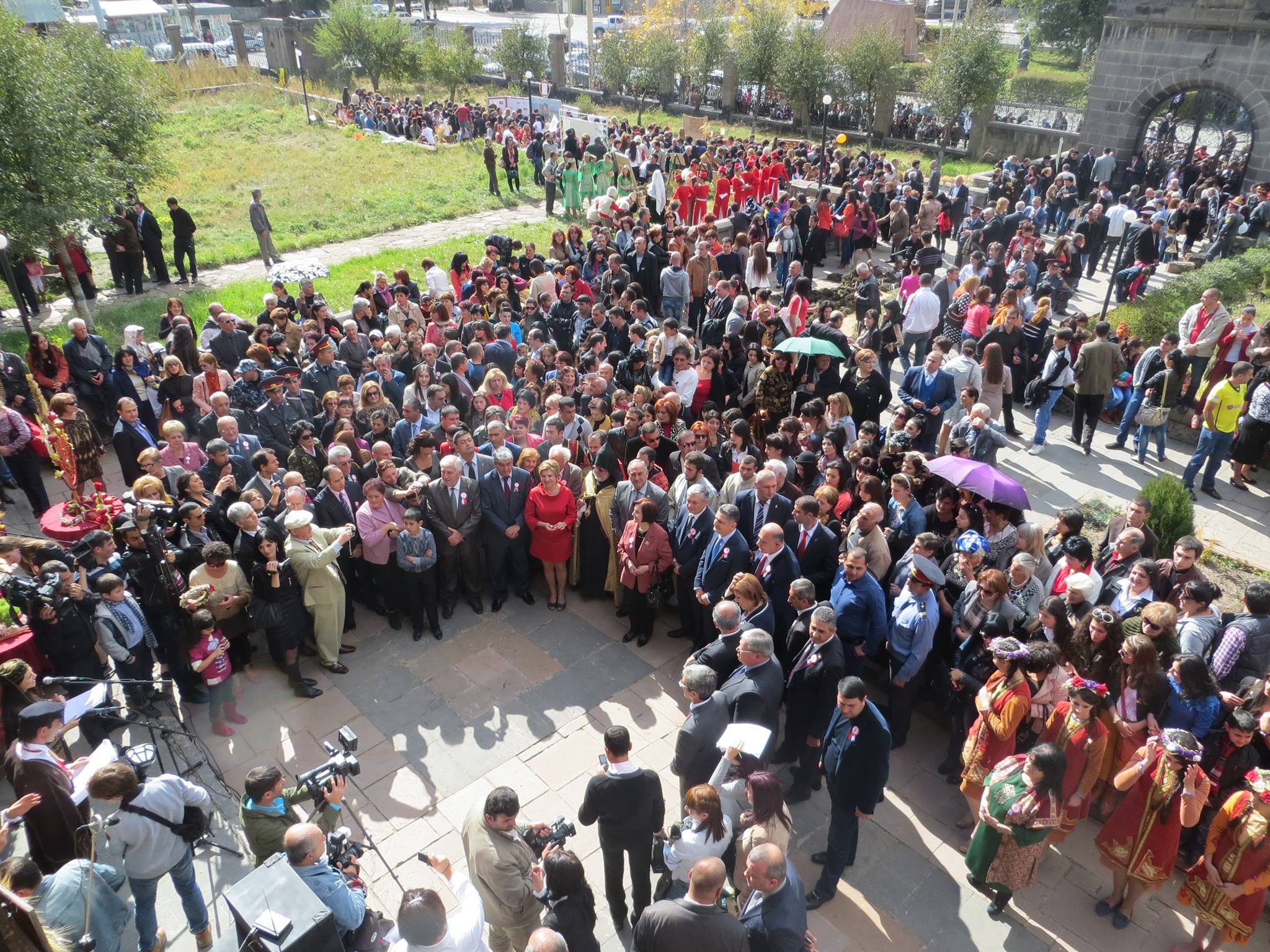
Museum Courtyard Gathering
Muzeon Park Exhibition, 2014
Institutional Partners & Endorsements
Ministry of Culture of Armenia

Ministry of Culture of Armenia

Государственное содействие

DVV International

DVV International

Международное партнёрство

Internet Society Armenia

Internet Society Armenia

Цифровые инициативы

Kremlin Multimedia

Kremlin Multimedia

Медиа-документация

Muzeon Park of Arts

Muzeon Park of Arts

Выставочные проекты

03 // Moscow / Public Monuments

Dynamo. The fate of six monumental reliefs.

Six monumental sculptural friezes featuring 44 dynamic figures of Soviet athletes adorned the porticos of Moscow’s Dynamo Stadium for decades. Their emergency removal during stadium demolition in 2012 sparked nationwide debate over preservation and public access. Anton Merkurov became a leading independent voice advocating for their rescue and permanent public display.

6Original Frieze PanelsPorticos of Dynamo Stadium
44Athletic FiguresMonumental classical poses
7,000+Fragments ConservedWorkshop “Nasledie”
2012 → 2023Advocacy & RestorationNow at Arena Plaza
Dynamo reliefs
Workshop “Nasledie”Conserving the monumental athletic panels
Critical Distinction

The physical conservation was executed by licensed master restorers (workshop “Nasledie”). Anton Merkurov’s documented role was public advocacy, media transparency, and ensuring public placement at Arena Plaza.

2012

The historic reliefs are removed during Dynamo stadium redevelopment. BBC Russian covers the campaign to preserve the masterworks.

2016

Restoration begins by the “Nasledie” conservation workshop (The Art Newspaper Russia).

2017

Reporting from the conservation workshop; Anton Merkurov visits and assesses the preservation process.

2019

Public discussion on placement: Anton insists the original reliefs remain tied to Dynamo and accessible to all.

2022–23

The conserved original reliefs are permanently installed in the renewed Dynamo complex (Arena Plaza area).

04 // Sculpture & Memory

The death mask as an archive of eternity.

Sergey Merkurov is recognized as the twentieth century’s foremost master of posthumous masks. He cast over 300 impressions of defining cultural and political figures — including Leo Tolstoy, Vladimir Lenin, Vladimir Mayakovsky, Maxim Gorky, Sergei Eisenstein, and Mikhail Bulgakov.

Museum Statistics

300+ Masks Cast // 59 Exhibited

The Gyumri House-Museum preserves the world’s most extensive public collection of original plaster impressions, including Lenin’s primary death mask.

Explore AriTes Mask Collection Registry
2014 // International ControversyThe Moscow Times

The Lenin Mask and the US Auction Protest

The Moscow Times reported on a proposed private sale of a Lenin death mask in the United States and Anton Merkurov’s vocal objection against commodifying unique archival heritage.

Read in The Moscow Times
2013 // Monumental MemoryМосковский комсомолец

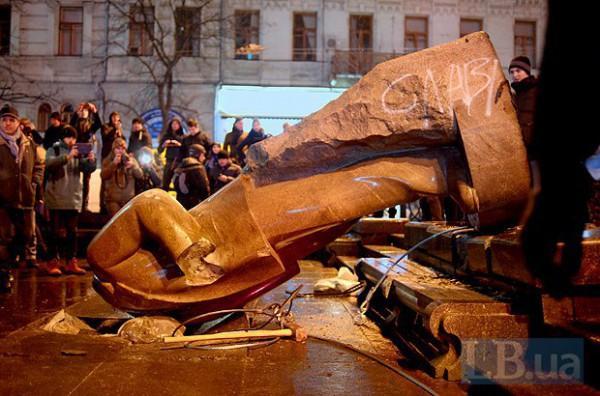
The Kyiv Lenin Monument (1946–2013)

Following the toppling of the red quartz monument in Kyiv, Moskovsky Komsomolets conducted an interview with Anton Merkurov regarding the historical weight of public monuments.

View historical press photo
05 // Digitisation & Contemporary Art

From historical plaster to a living digital artwork.

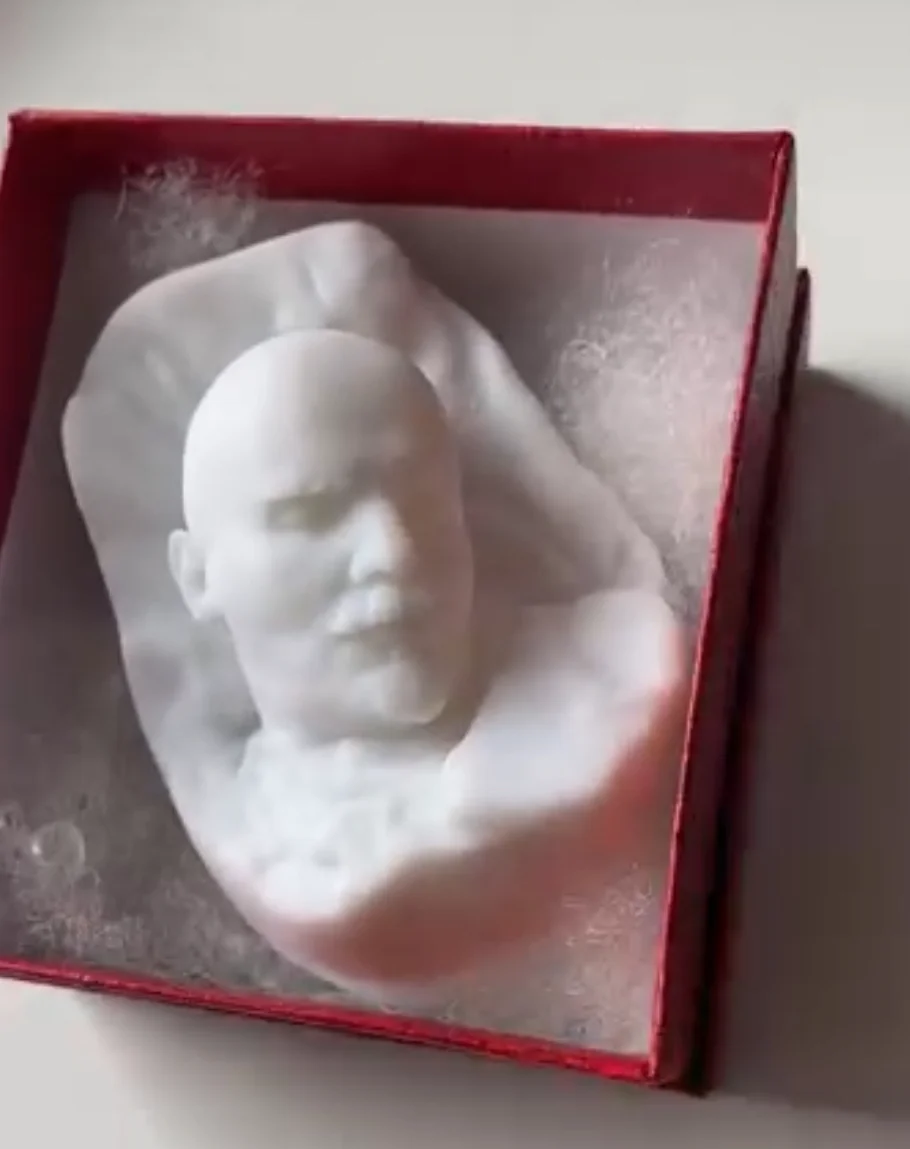
In 2021, Anton Merkurov spearheaded a breakthrough project bridging historical sculpture and blockchain technology: the 3D laser digitisation of Lenin’s death mask, followed by high-resolution 3D printing and an evocative digital animation distributed as an NFT on Rarible.

3D printed mask
Physical 3D Artifact

Tactile 3D Mesh Replication

Micro-millimeter surface topography captured from the original cast. An intimate palm-sized sculpture bridging tangible mass and digital code.

Status: Private Collection2021 // 3D PRINT
Web3 TokenizedRarible Edition

“Lenin opens his eyes and is slowly enveloped by green grass.”

An evocative loop animation interrogating memory, ideology, and digital rebirth. Featured across international art-market press as an exemplary reinterpretation of historic monuments.

06 // Print, Attribution & Exhibition

The Erotic Alphabet, 1931.

A famed series of drawings depicting an erotic alphabet dated 1931 circulates widely online attributed to Sergey Merkurov. A preserved sheet bears the handwritten inscription: “Рисовал С. Д. Меркуров 17-Х-931 г.”

Scholarly Qualification

Authorship remains critically qualified. Anton Merkurov confirmed to fact-checkers that while he has not examined the original sheets in person, the signature stylistically aligns with known family archival documents.

Project Chronology
1931

Inscribed date on the original sheets circulating in collectors’ copies: “Рисовал С. Д. Меркуров 17-Х-931 г.” Provenance remains an active subject of critical scholarship.

2020

Anton Merkurov curates an exhibition around the series at Cube art space (Moscow); a limited edition of silkscreens and art postcards is produced.

2021

Provereno.Media conducts an extensive scholarly fact-check on the attribution, provenance, and Anton Merkurov’s contextual research.

Exhibition at Cube Moscow (2020)

Anton Merkurov curated an exhibition around the series, presenting serigraph prints and collector postcards reconstructed from scans.

07 // Press & Documentation

What was written.

08 // Verification & Registry

Follow the evidence.

Curatorial Transparency Mandate

This document represents an active historical archive. Where authorship, provenance, or physical survival cannot be established conclusively by published citations, it is explicitly disclosed. Personal participation is kept rigorously distinct from the work of academic institutions, specialized conservators, and collaborating cultural bodies.